

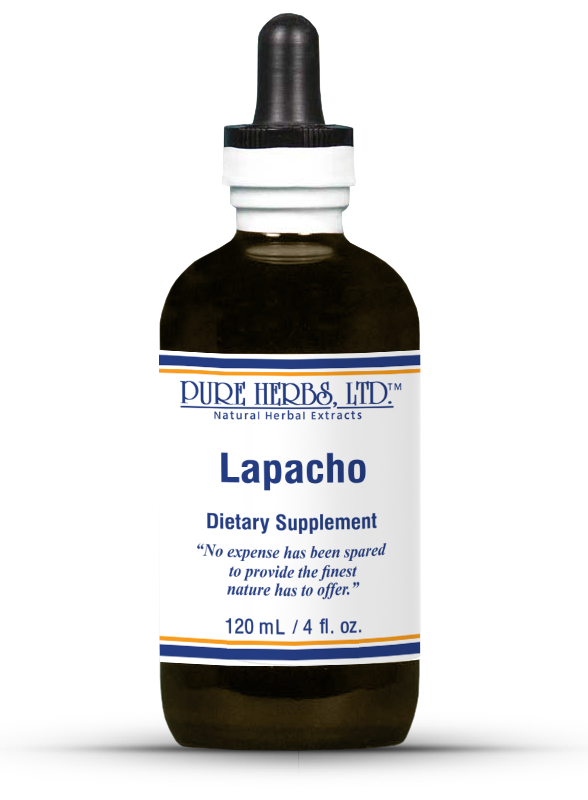
Description
May be used as a bad cell preventative, tumors. Experienced herbalists consider that both the tabebuia altissima [purple flowered] and tabebuia avellanedae [red flowered] varieties should be mixed together for the best possible effects.South American medical doctors proclaim nothing short of miracles for quick relief of pain for bad cells of all types, as well as, their cure within one month in many cases.
Once again, South American Indians made known a tree that they have used for thousands of years to cure their people. The first was the Cinchona tree bark that yields quinine and helps in malaria. Lapacho taken as a boiled tea 3 times per day [one heaping teaspoonful of the bark to make one cup of the tea] is reported to be their method. The extract is possibly many times stronger if made properly.
The chemistry of Lapacho is quite well known to the scientific world.Dr. Frederick Koch, M.D., used substances from the tree bark called quinones during the 1930s in Detroit, MI, with astonishing results to cure even advanced bad cell cases before going to South America in order to continue his practice. He especially used a single quinine that he described as oxidizing or burning up the encapsulated pockets of stagnant bad cell-causing points.
He reports in this way he was able to provide oxygen for the breadth of life to continue for the patient.Lapacho actually has 16 quinones never before discovered together in nature. The jungle Lapacho tree is completely immune to fungus infections unlike other trees. It should not be thought that the limit Lapacho’s abilities are confined to bad cells, according to Alec de Montmorency, expert on exotic folk remedies.
He has collected medical information during the last 20 years on the use of Lapacho in various South American countries.He reports the following list of problems that medical doctors using Lapacho have solved: anemia, bad cells of all types, lupus, inflammation of the reproductive organs, Hodgkin’s disease, Parkinson’s disease, colitis, arteriosclerosis, gastric problems, leucorrhoea, cystitis, hemorrhages, prostate inflammation, polyps, psoriasis and eczema.
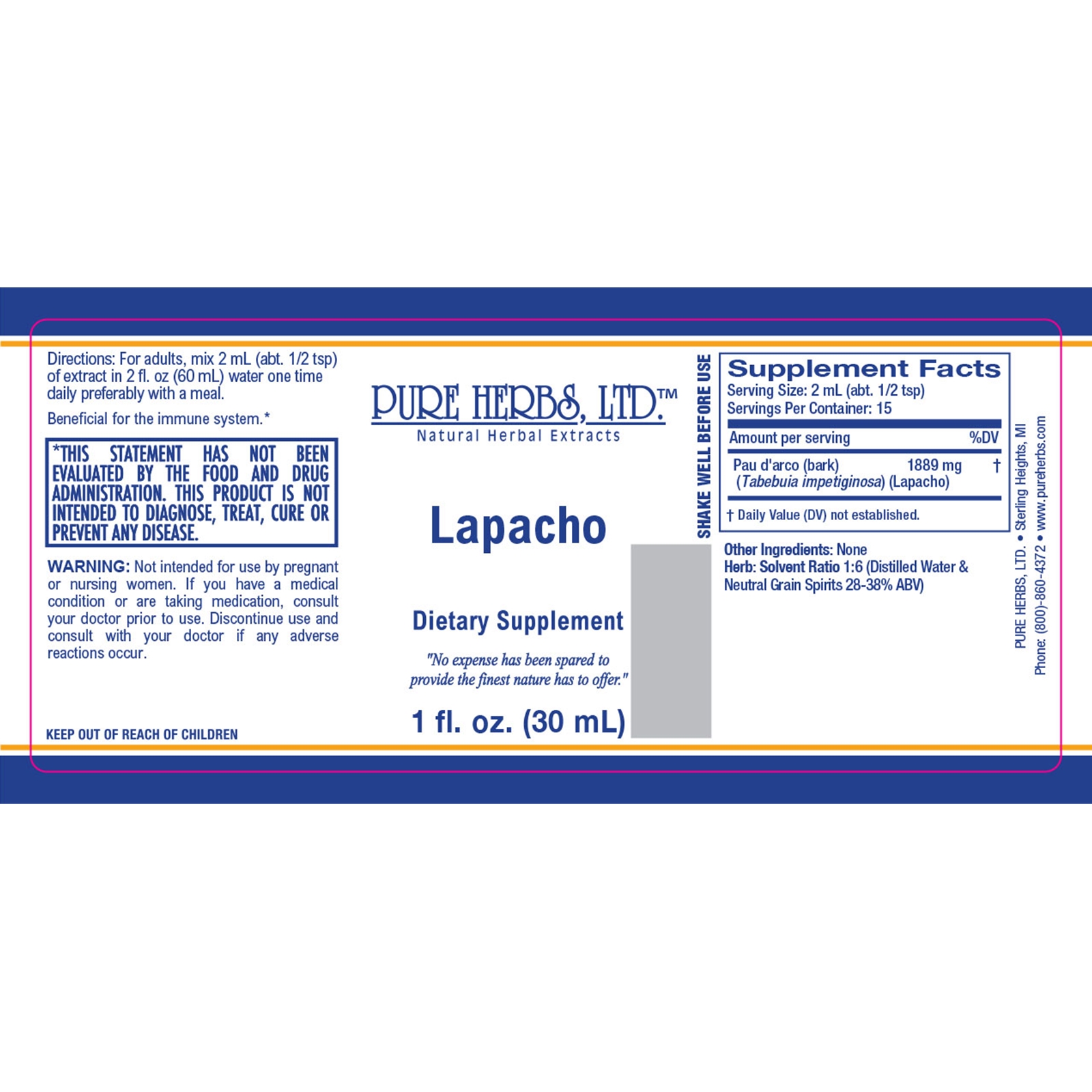
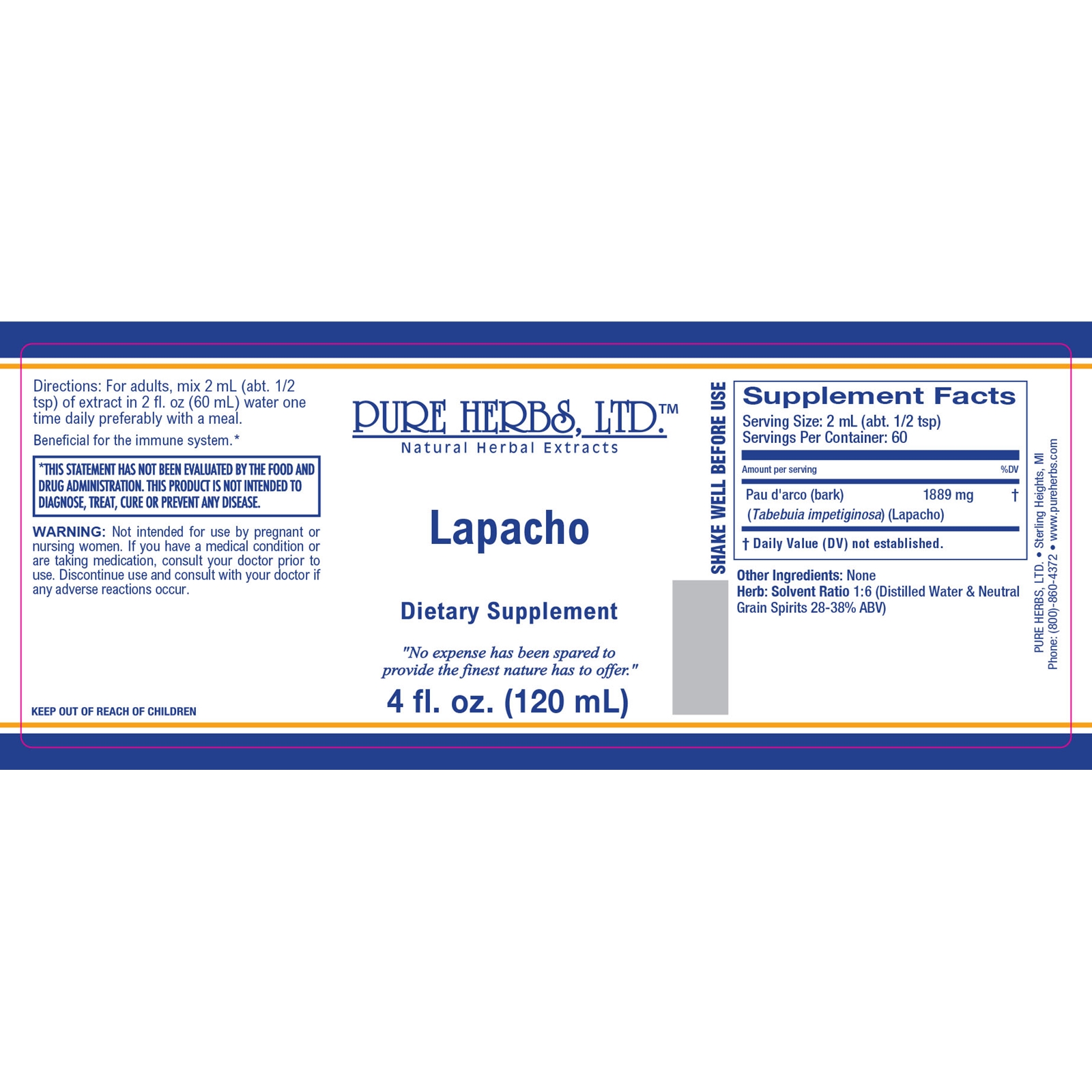
Suggested use | South American information indicates 40 to 80 drops of the extract in a cup of water 3 to 4 times per day. 20 drops per day as a preventative.
This product is not intended to diagnose, treat, cure or prevent any disease.
Warning: Not intended for use by pregnant or nursing women. If you have a medical condition or are taking medication, consult your doctor prior to use. Discontinue use and consult with your doctor if any adverse reactions occur.


Reviews
There are no reviews yet.