

Description
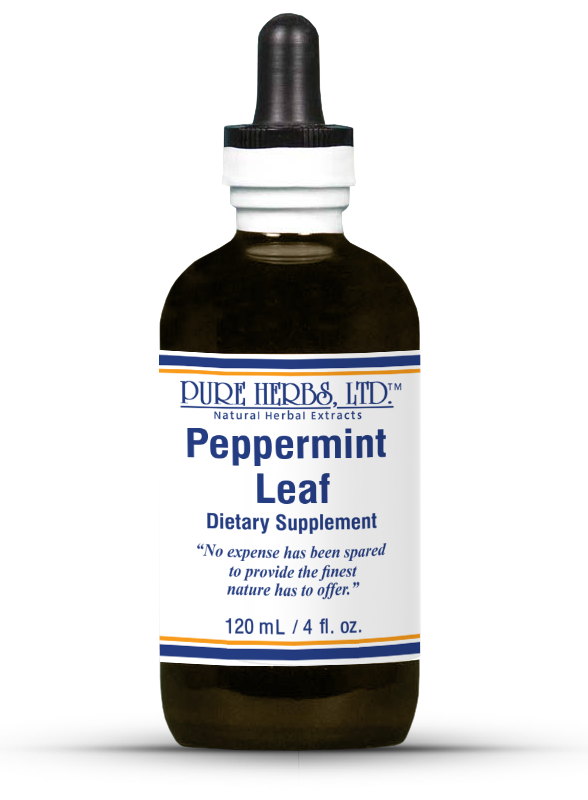
Peppermint Leaf [ mentha peperita] may be used as an oxygenator, antispasmodic, stomatic, stimulant, nervine, cardiac, tonic, febrifuge [reduces fever], aromatic [smells and tastes good]; for sagging stomach after birth or weight loss add Buckthorn.
Common names
balm mint, ementhe polvree, pfefferminz, curled mint.
Parts used
whole herb.
Bodily influences
Quite aside from being one of the most popular flavoring agents, the therapeutic value of Peppermint has its roots in herbal use from the beginning of man’s first association with it. It has been sought out through the eons of time as a pleasant refreshment. Its leaves are chewed, teas are made from its leaves as well as the oil. The use of these brings an exhilarating aromatic sensation as well as fresh oxygen for well being. Mothers have long known a cup of the tea will relieve baby’s colic. A partial list of Peppermint’s additional corrective services is diarrhea, dizziness, convulsion, earache, fainting, fevers of all types, stomach and bowel gas, nausea, nervous headache, restlessness, motion sickness, spasms, toothache, vomiting and heart palpitations.
Suggested use
40 drops three times per day of the extract or as needed.
Possible directions on label
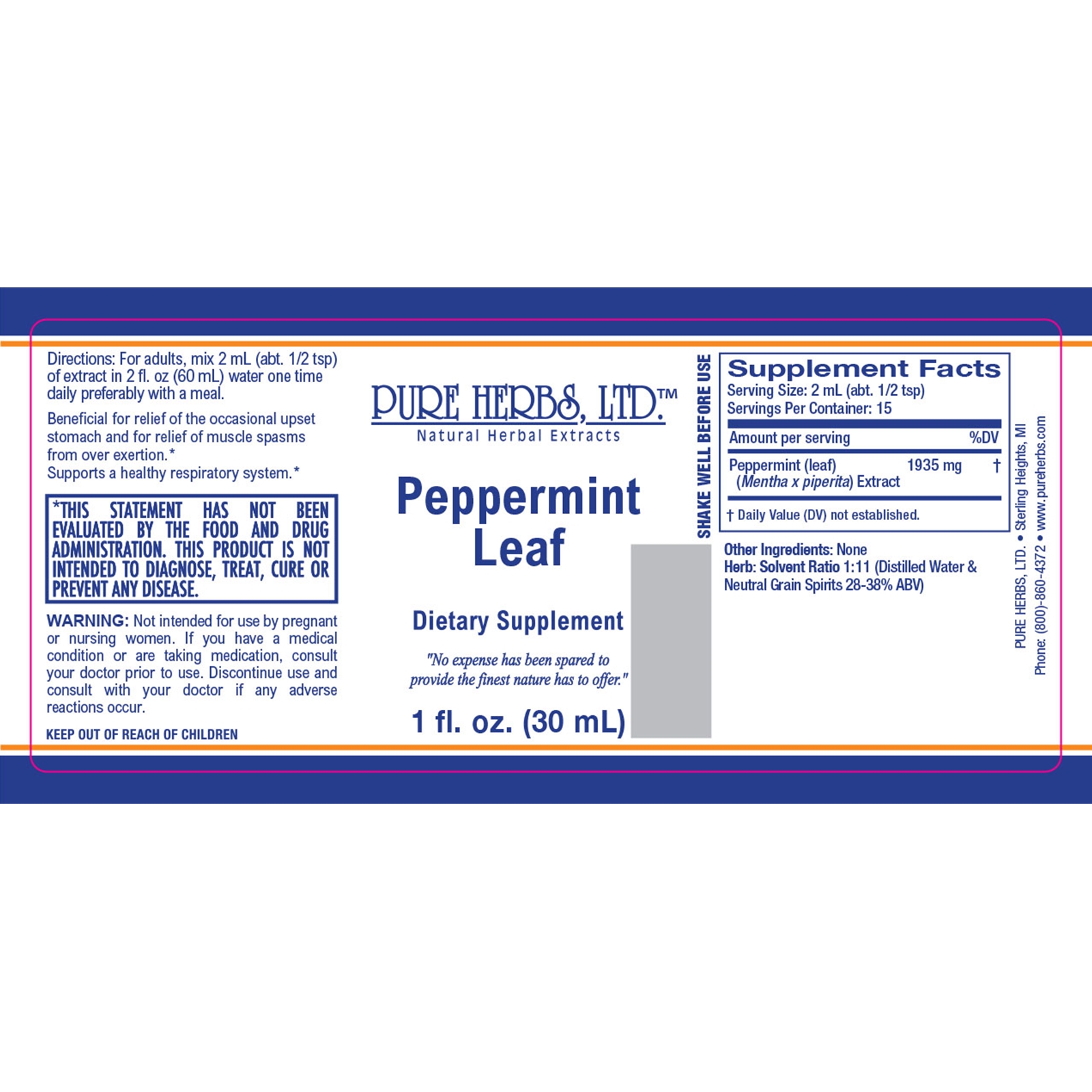
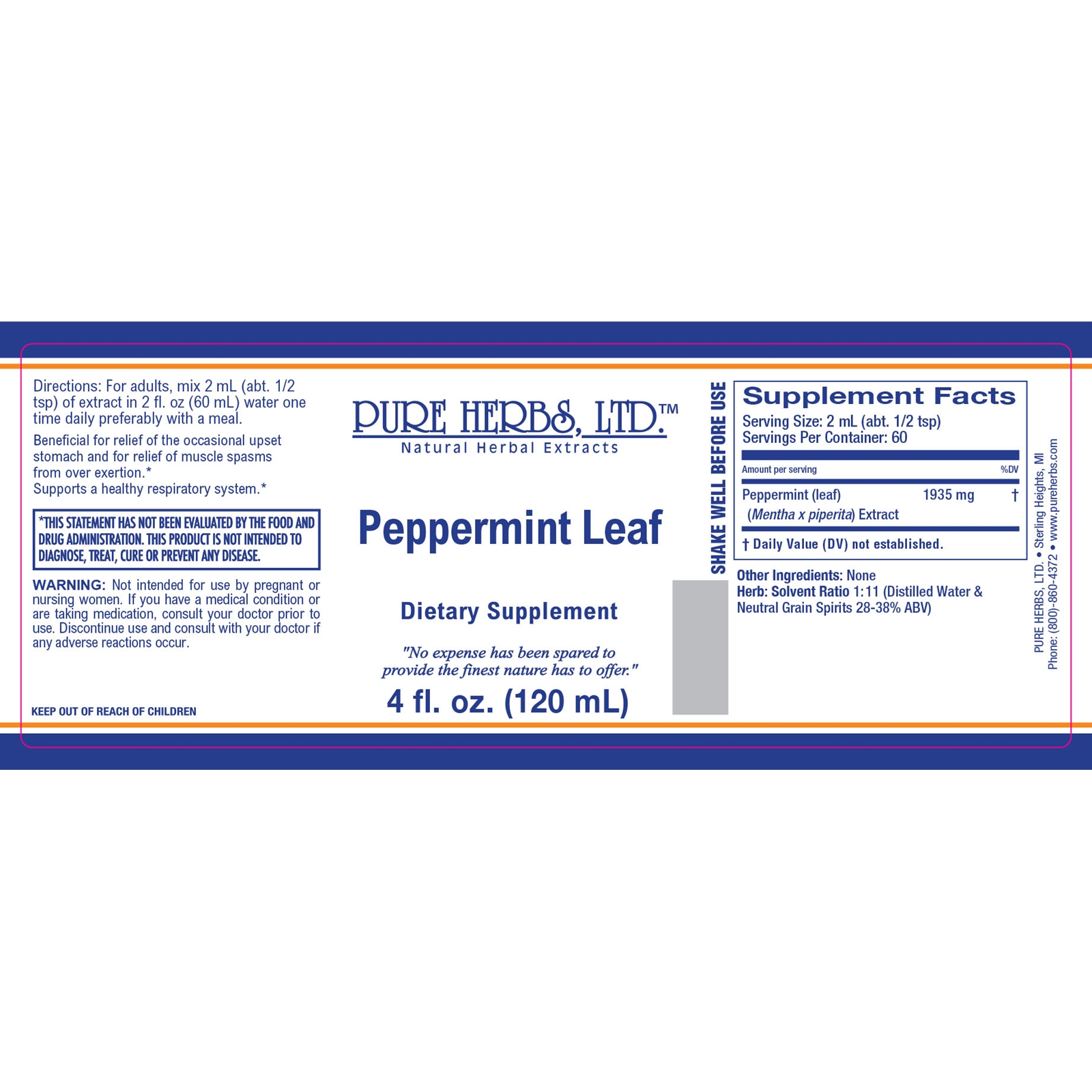
For adults, mix 2 ml of extract in 2 oz [60 ml] of water one time daily preferably with a meal
References
Dr. Eugene C. Watkins, “Get Well With Natural Remedies;” Alma R.Hutchens, “Indian Herbalogy of North America.”
This product is not intended to diagnose, treat, cure or prevent any disease.
Warning: Not intended for use by pregnant or nursing women. If you have a medical condition or are taking medication, consult your doctor prior to use. Discontinue use and consult with your doctor if any adverse reactions occur.


Reviews
There are no reviews yet.